
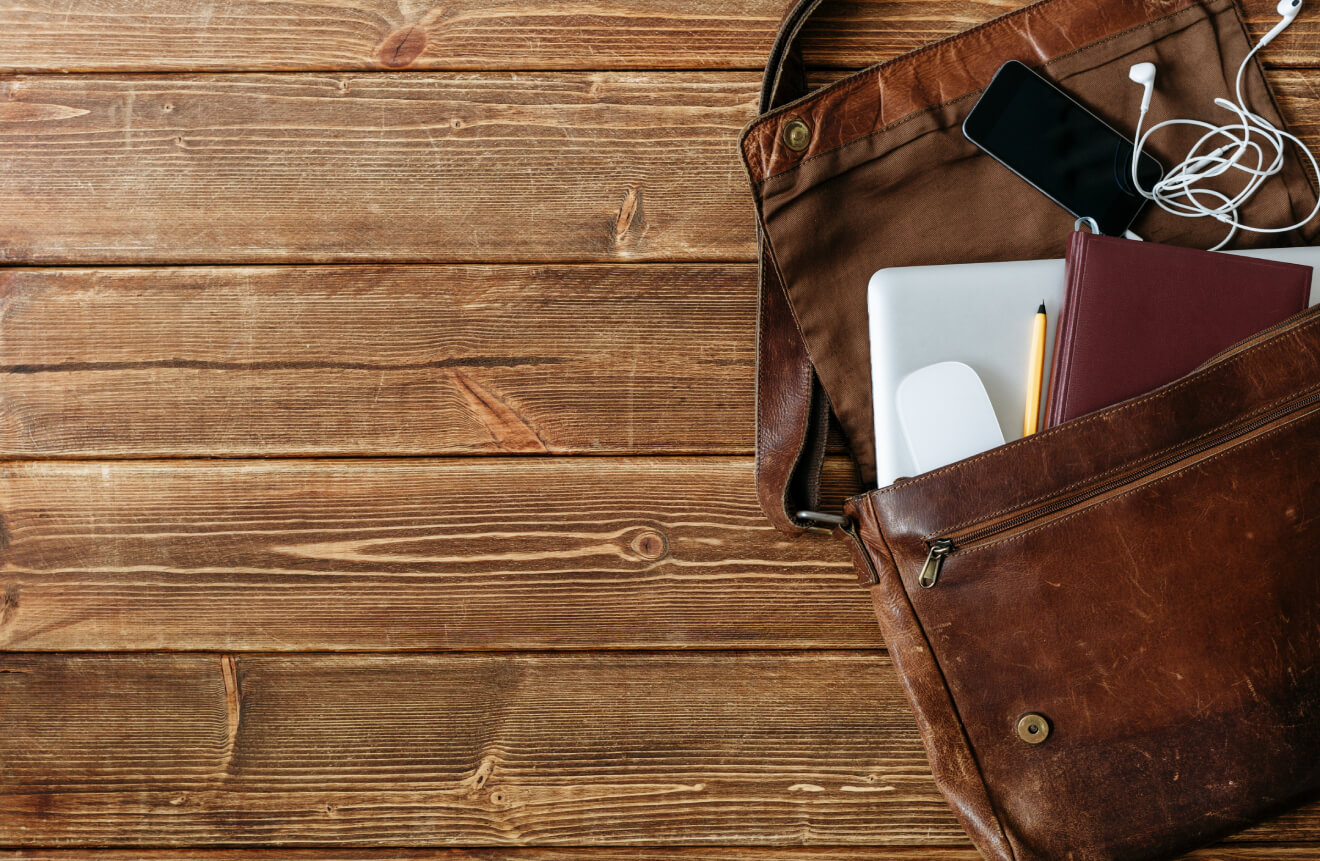
The Complete Guide to Leather Messenger Bags
A leather messenger bag is one of the most versatile, enduring accessories a person can own. Originally designed for bicycle couriers navigating city streets, messenger bags have evolved into a staple of modern professional and everyday carry culture. Whether you’re commuting to the office, traveling light on weekends, or heading to class, the right leather messenger bag combines function, durability, and timeless style in a way few other bags can match.
This guide covers everything you need to know — from understanding leather types and construction quality to choosing the right size, features, and fit for your lifestyle. If you’re researching your first leather messenger bag or looking to upgrade, you’re in the right place.
Full-grain leather is widely recognized by leather industry experts as the highest quality hide available for consumer goods. According to https://buffalojackson.com/blogs/insight/full-grain-leather-vs-top-grain-leather, the natural grain structure retained in full-grain hides is what gives the leather its superior resistance to moisture and long-term durability compared to processed alternatives.
What Is a Leather Messenger Bag?
A messenger bag is a single-strap, cross-body bag that sits against the back or hip and can be swung to the front for easy access. The defining features that distinguish it from other bag styles include:
- A single wide strap worn diagonally across the chest
- A flap-over closure, typically secured with buckles, magnets, or snaps
- A wide, flat main compartment designed to hold documents, laptops, and flat items
- Multiple exterior and interior pockets for organization
When crafted in leather, these bags gain a level of structure, longevity, and visual sophistication that fabric versions simply cannot replicate. A well-made leather messenger bag can last decades with proper care, developing a rich patina that tells the story of where it’s been.
Types of Leather Used in Messenger Bags
Not all leather is created equal. The quality of the leather directly determines how your bag looks, feels, ages, and holds up over time. Understanding the different types helps you make a confident, informed purchase.
Full-Grain Leather
Full-grain leather is the highest quality leather available. It retains the entire outer layer of the hide, including the natural grain pattern. This makes it the most durable option — it’s resistant to moisture, develops a beautiful patina over time, and strengthens with use rather than degrading. If you’re investing in a messenger bag meant to last a lifetime, full-grain leather is the benchmark to look for.
Top-Grain Leather
Top-grain leather has had its outermost layer sanded or buffed to remove natural imperfections. The result is a more uniform, consistent appearance. It’s slightly less durable than full-grain but still high quality, and it’s the most commonly used leather in premium bags. Many excellent leather messenger bags are made with top-grain leather.
Genuine Leather
Genuine leather is a marketing term that sounds premium but actually refers to the lowest grade of real leather. It’s made from the leftover layers after top-grain has been split away, then bonded or processed. Bags labeled “genuine leather” are typically much less durable and won’t age nearly as well. Treat this as an entry-level option rather than a quality one.
Crazy Horse and Waxed Leather
Crazy horse leather and waxed leathers are treated with waxes or oils to enhance water resistance and create a distressed, rugged aesthetic. Scratches and scuffs blend into the surface over time, giving the bag a lived-in character that many people love. These finishes are popular in vintage-style messenger bags and work particularly well for outdoor or casual use.
Key Features to Look For in a Leather Messenger Bag
Beyond leather type, the construction details and features of a messenger bag determine whether it fits your daily needs. Here are the most important elements to evaluate before buying.
Size and Capacity
Messenger bags come in a range of sizes, typically measured by the largest laptop or document size they accommodate:
- Small (up to 11″): Ideal for tablets, essentials, and minimal everyday carry
- Medium (13″–14″): The most popular size — fits a laptop, documents, and daily items without bulk
- Large (15″–17″): Best for commuters, students, or professionals who carry a full laptop plus accessories
Consider not just what you carry today, but what you might need to carry. A bag that’s too small becomes frustrating quickly; one that’s too large feels unwieldy when lightly packed.
Strap Design and Comfort
The shoulder strap is arguably the most important functional element of any messenger bag. Look for:
- A wide, padded strap (at least 1.5 to 2 inches) to distribute weight evenly
- Adjustable length so you can customize how the bag sits on your body
- A non-slip pad or rubber grip on the strap to prevent sliding off the shoulder
- Metal hardware (brass or stainless steel) on buckles and attachment points for longevity
Poor strap design is the most common reason people stop using a messenger bag. Don’t overlook this detail.
Closures and Security
The main flap closure can use buckles, magnetic snaps, or a combination of both. Buckle closures are more secure and traditional, while magnetic closures offer quicker access. For urban environments or travel, consider bags with a hidden back pocket or anti-theft zipper placement for valuables like passports and phones.
Interior Organization
A well-organized interior saves time and reduces frustration. The best leather messenger bags include:
- A padded laptop sleeve with a secure closure
- Multiple slip pockets for notebooks, cables, and chargers
- A key clip or hook so you never dig for keys again
- Pen loops and card slots for professionals who work on the go
Hardware and Stitching Quality
Examine the stitching on any bag you’re considering. Double or saddle stitching is far superior to single-needle stitching — if one thread breaks, the other holds. Hardware should be solid metal, not plastic or hollow. Riveted stress points at corners and strap attachments are a hallmark of quality construction.
Leather Messenger Bags for Different Lifestyles
The best leather messenger bag for you depends on how you plan to use it. Here’s how to match the bag to your lifestyle.
For the Professional Commuter
If you’re heading to an office daily, prioritize a structured, medium-to-large bag with a dedicated padded laptop compartment, professional aesthetic (clean lines, dark or rich leather tones), and enough organization to replace a briefcase. Look for bags that lay flat against the back when cycling or walking to avoid bulk.
For Students
Students need capacity and durability above all else. A large leather messenger bag with a reinforced base, ample interior space for textbooks and a laptop, and comfortable padding on the strap will handle years of heavy daily use. Full-grain or top-grain leather is especially worth the investment here because the bag will outlast the degree.
For Travel
For travel, consider a messenger bag with a trolley sleeve on the back that slides over luggage handles. A slim, streamlined profile works best for navigating airports and public transit. Water-resistant leather or waxed leather finishes offer added protection in unpredictable weather.
For Casual and Weekend Use
A smaller leather messenger bag in a distressed or vintage-style leather works beautifully for casual use — running errands, weekend outings, or carrying essentials to a café or coworking space. These bags often feature a more relaxed silhouette and can pair effortlessly with both smart-casual and streetwear outfits.
How to Care for a Leather Messenger Bag
Leather is a natural material that responds to care — and neglect. Following a simple maintenance routine will keep your bag looking exceptional and extend its lifespan significantly.
- Condition regularly: Apply a quality leather conditioner every 3–6 months to prevent drying and cracking. Products containing beeswax or neatsfoot oil are widely trusted.
- Clean gently: Use a slightly damp cloth to wipe down the surface. Avoid harsh soaps or household cleaners, which strip natural oils from leather.
- Protect from moisture: If your bag gets wet, blot it with a dry cloth and allow it to air dry naturally away from direct heat. Never use a hair dryer.
- Store properly: When not in use, stuff your bag lightly with tissue paper or a soft cloth to help it maintain its shape. Store it in a breathable dust bag, not a plastic one.
- Treat scratches: Minor surface scratches can often be buffed out with a leather conditioner or a clean fingertip — the natural oils in skin can blend small marks into the grain.
What to Expect at Different Price Points
Leather messenger bags span a wide price range, and understanding what each tier offers helps set realistic expectations.
- Under $100: Expect genuine or bonded leather with basic hardware and limited organization. These bags can serve short-term needs but are unlikely to last more than a few years of daily use.
- $100–$250: The mid-range offers solid top-grain leather options with better stitching, metal hardware, and more thoughtful interior layouts. Good value for regular use.
- $250–$500: Premium territory. Full-grain leather, superior construction, quality hardware, and often brand heritage. Bags in this range are built to last a decade or more.
- $500+: Luxury and artisan craftsmanship. Hand-stitched construction, heritage tanneries, bespoke options, and exceptional materials. An heirloom investment.
Frequently Asked Questions About Leather Messenger Bags
Are leather messenger bags waterproof?
Most leather is naturally water-resistant to a degree but is not fully waterproof. Waxed or treated leathers offer better moisture protection. Applying a leather waterproofing spray or wax periodically adds a useful layer of protection for everyday conditions.
Can women wear leather messenger bags?
Absolutely. Leather messenger bags are a genuinely gender-neutral accessory. Many brands offer styles that range from structured and minimal to sleek and fashion-forward, making them a versatile choice for any wardrobe.
How long will a quality leather messenger bag last?
With proper care, a full-grain or top-grain leather messenger bag can last 10 to 30 years — and in many cases, far longer. This durability is one of the core reasons leather remains worth the investment over synthetic alternatives.
Conclusion
A leather messenger bag is more than a functional accessory — it’s a long-term companion that evolves with you. Choosing the right one means understanding the leather types that define quality, recognizing the construction details that determine durability, and matching the bag’s size and features to the way you actually live and work.
Whether you’re drawn to the rugged character of crazy horse leather, the polished professionalism of a full-grain briefcase-style messenger, or a compact everyday carrier in smooth top-grain, there is a leather messenger bag built precisely for your needs. Take your time, prioritize quality over trend, and invest in something built to last.
A great leather messenger bag doesn’t just carry your things — it gets better every single day you use it.
